
How to Find the Best Nail Educator or Nail Technician Training Near You
If you’re thinking about becoming a nail technician or want to add new skills to your toolkit, the most important step is choosing the right educator. But how do you know who to trust with your training?
There are a growing number of “educators” offering quick courses online or in-salon – and unfortunately, not all of them are properly qualified to teach. Some have only been in the industry a short time themselves. Some don’t have proper insurance or any formal teaching background. Some just aren’t good enough.
Whether you’re brand new to nails or looking to upskill, here’s what you should look for to make sure you’re learning from the best.
1. Review Their Work – and Their Industry Experience
The first thing to look at is the quality of the educator’s own work.
Does it inspire you?
Is it a level you’d love to reach?
Do their nails look clean, consistent, well-prepped and professionally finished?
Is their style one you’d be proud to offer to clients?
You don’t want to learn from someone who is just average at doing nails. You want to be taught by someone significantly skilled and experienced, whose work clearly stands out.
It’s also worth looking at how long they’ve been doing nails. Have they built a successful client base? Are they recognised in the industry? Have they won any awards or been featured in trade publications? Have they developed their own techniques or educational resources?
Great teachers have real-world salon experience and are actively working in the industry – not just passing on second-hand information.
2. Check for Formal Teaching Qualifications
In the UK, anyone offering accredited training must hold a teaching qualification. The AET (Award in Education and Training) is the minimum required, but ideally, your educator will have more than just this basic level.
It’s important to understand that teaching is its own skill. Being excellent at doing nails doesn’t automatically make someone good at teaching others. A qualified educator knows how to:
Break techniques down into manageable steps
Give constructive feedback
Support different learning styles and needs
Create a safe and structured learning environment
Ask what teaching qualifications they hold and make sure they’re accredited with a professional body like ABT or The Beauty Guild.
3. Is the Course Up to Date?
The nail industry has changed rapidly in recent years.
Courses that haven’t been refreshed in a while might still teach outdated prep techniques, unsafe product use, or poor hygiene standards. Some don’t even cover basic client safety, ventilation, or allergy prevention.
Ask:
When was the course content last updated?
Does it cover current products, curing systems and safe techniques?
Will you learn about modern nail science, client consultation, contraindications, and professional standards?
Don’t settle for generic or out-dated training. You need education that reflects today’s industry – not yesterday’s.
4. Is the Course Brand Specific – and Is That a Good Thing?
Some courses are tied to a particular gel brand, which can be helpful if you’re planning to use that system long term. However, it’s important to ask:
Are the techniques transferable?
Is the product system reputable, tested, and safe?
Will you understand why you’re doing something – not just how to do it with that one brand?
Every brand has its own prep process, application style, curing time, and aftercare needs. A good educator will have a wide knowledge base and explain these differences, helping you build foundational knowledge that translates across multiple professional systems.
5. Learning Environment and Setup
What is the learning environment like?
Is it a calm, professional space dedicated to training?
Is it a 1-to-1 or small group session where you’ll get personalised support?
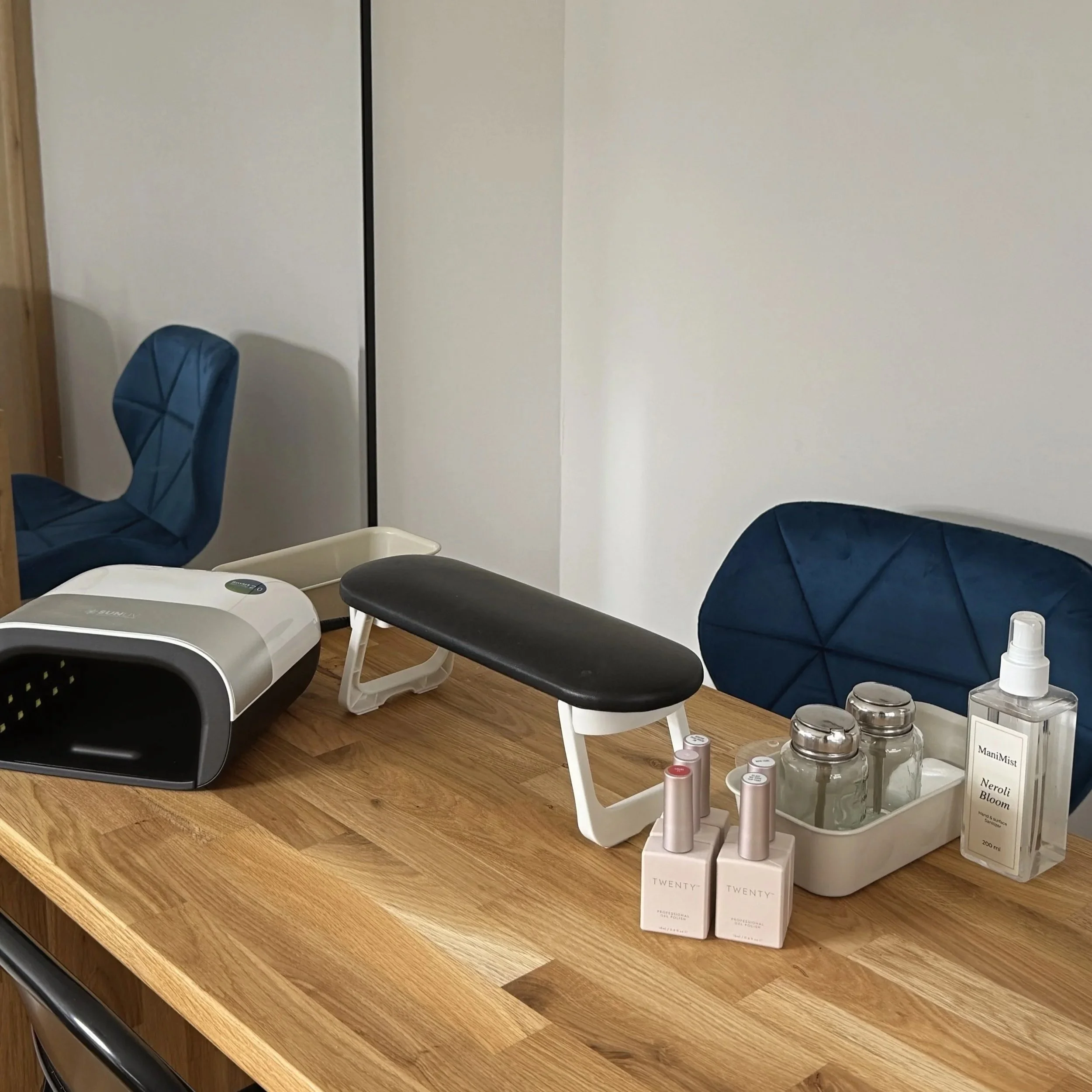
Will you be learning using the educator’s own client tools, or are there proper student kits, training stations and demonstration equipment?
A good training session should feel structured and professional, with time for demonstrations, hands-on practice, and plenty of feedback. You should also know what products, brands and tools you’ll be using – and whether you’ll need to bring anything yourself.
6. What Happens After the Course?
Learning doesn’t stop when the course finishes.
Ask if your educator offers:
Continued mentorship or support
Feedback on your case studies
Access to private student groups or resources
Opportunities for further learning
Having someone to ask questions, troubleshoot problems, and support your confidence as you grow is invaluable.
7. What About Insurance and Professionalism?
Make sure your educator:
Is insured to teach
Delivers accredited training with valid certification
Provides clear terms and course details in advance
If someone doesn’t hold a formal qualification in teaching or hasn’t registered their training properly, they won’t be able to obtain insurance themselves – and you may not be covered or recognised by insurers after completing their course.
This is a crucial part of working legally and professionally in the UK. Don’t skip it.
8. Do They Seem Like a Good Fit for You?
You’ll be spending several hours – or possibly days – with your educator. It’s important that you:
Feel comfortable and encouraged
Can ask questions without judgement
Feel like your goals and challenges are understood
Connect with their communication and teaching style
Training should feel supportive, not intimidating. And a good educator will help you build confidence from day one.
Final Thought: Quality Training is an Investment in Your Career
Great training isn’t just about learning how to do nails. It’s about gaining the confidence, professionalism, and safe habits that will set you apart as a qualified nail technician.
When comparing training options, it’s tempting to go for the cheapest course – especially when you’re just starting out or on a budget. But remember, this is the foundation of your future career. The skills, habits, and knowledge you gain now will impact every client you treat going forward.
If you’re serious about building a successful business or career in nails, invest in education that’s high quality, up to date, and led by a properly qualified educator. It might cost more up front, but it will save you time, stress, and costly mistakes in the long run – and give you the confidence to grow with pride.
About the author
Kirsty Brown is a Scottish nail artist and educator and founder of Paintbrush Nails in Callander, Scotland. A qualified Art & Design teacher with a BA (Hons) from Glasgow School of Art, she combines professional nail expertise with a background in creative education, specialising in nail art, nail education and helping nail professionals develop their technical and creative skills.