
Tortoiseshell Nails: An Autumn Nail Art Classic
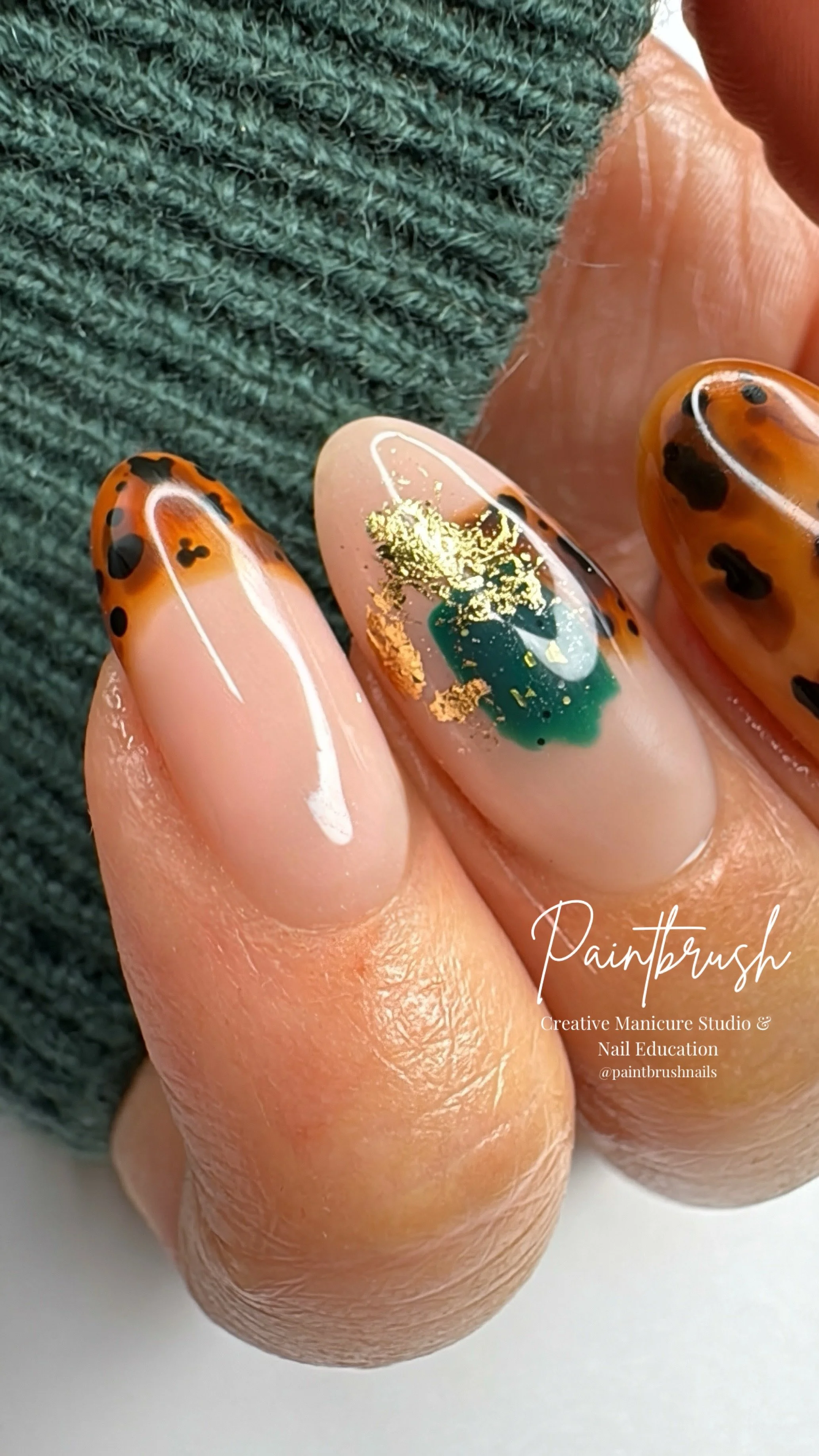
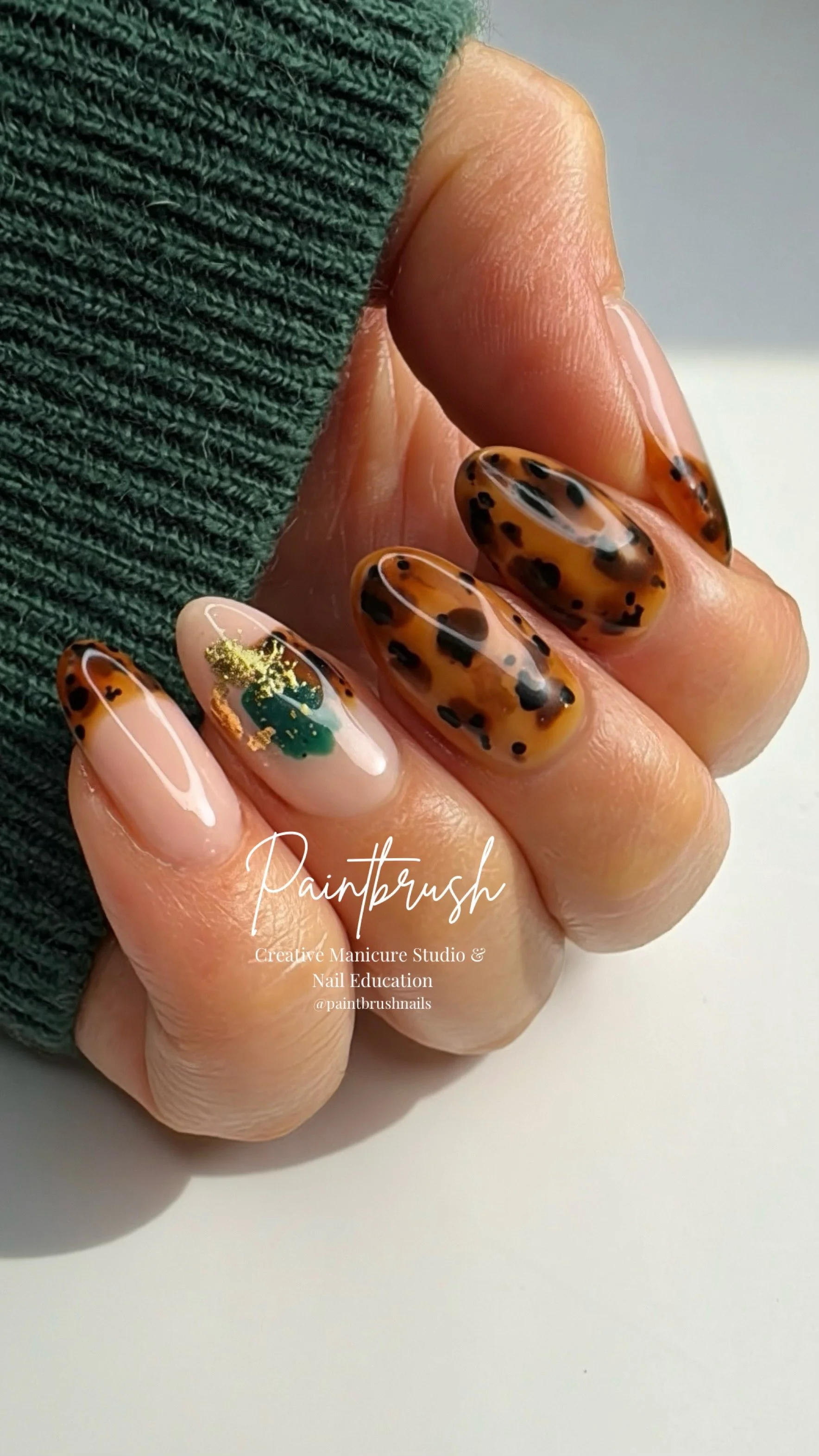
Some nail trends disappear almost as quickly as they arrive, but tortoiseshell nails seem to return every autumn and usually stick around well into winter too.
There’s something about the warm amber, caramel and brown tones that works particularly well as the weather gets colder. Tortoiseshell has that richness we naturally start gravitating towards in autumn, but it’s also neutral enough to work right through the winter months.
And one of the reasons I think it has such longevity is its versatility. Tortoiseshell can be bold or subtle, worn as a full-cover nail, adapted into a French tip or used as just one element within a more detailed design.
Why tortoiseshell works so well for autumn and winter
Traditional tortoiseshell takes its inspiration from the warm, translucent pattern associated with tortoiseshell accessories. In nail art, it’s the combination of those warm colours and the sense of depth within the pattern that makes it particularly suited to the colder seasons.
It also pairs beautifully with the colours that tend to come back into our wardrobes (and onto our nails) at this time of year. Black, chocolate brown, deep forest green, burgundy and warm navy all work particularly well alongside classic tortoiseshell.
Gold details can add another element too. A small amount of gold foil or metallic detail alongside tortoiseshell can make the finished design feel a little more decorative without losing the warmth of the original colour palette.
Full-cover tortoiseshell nails
For the biggest impact, tortoiseshell can be worn as a full-cover nail, either across the entire manicure or mixed with other finishes and colours.
A full set creates a statement, but I particularly like using full-cover tortoiseshell within a mix-and-match manicure. Alternating it with block colours, French tips or more minimal nails lets the pattern become part of the overall design rather than every nail needing to match.
It’s also a useful way of adapting the look for different clients. Someone who loves darker, more detailed autumn nails might want much more tortoiseshell, while someone with a more minimal style might prefer just one or two accents.
Tortoiseshell French nails
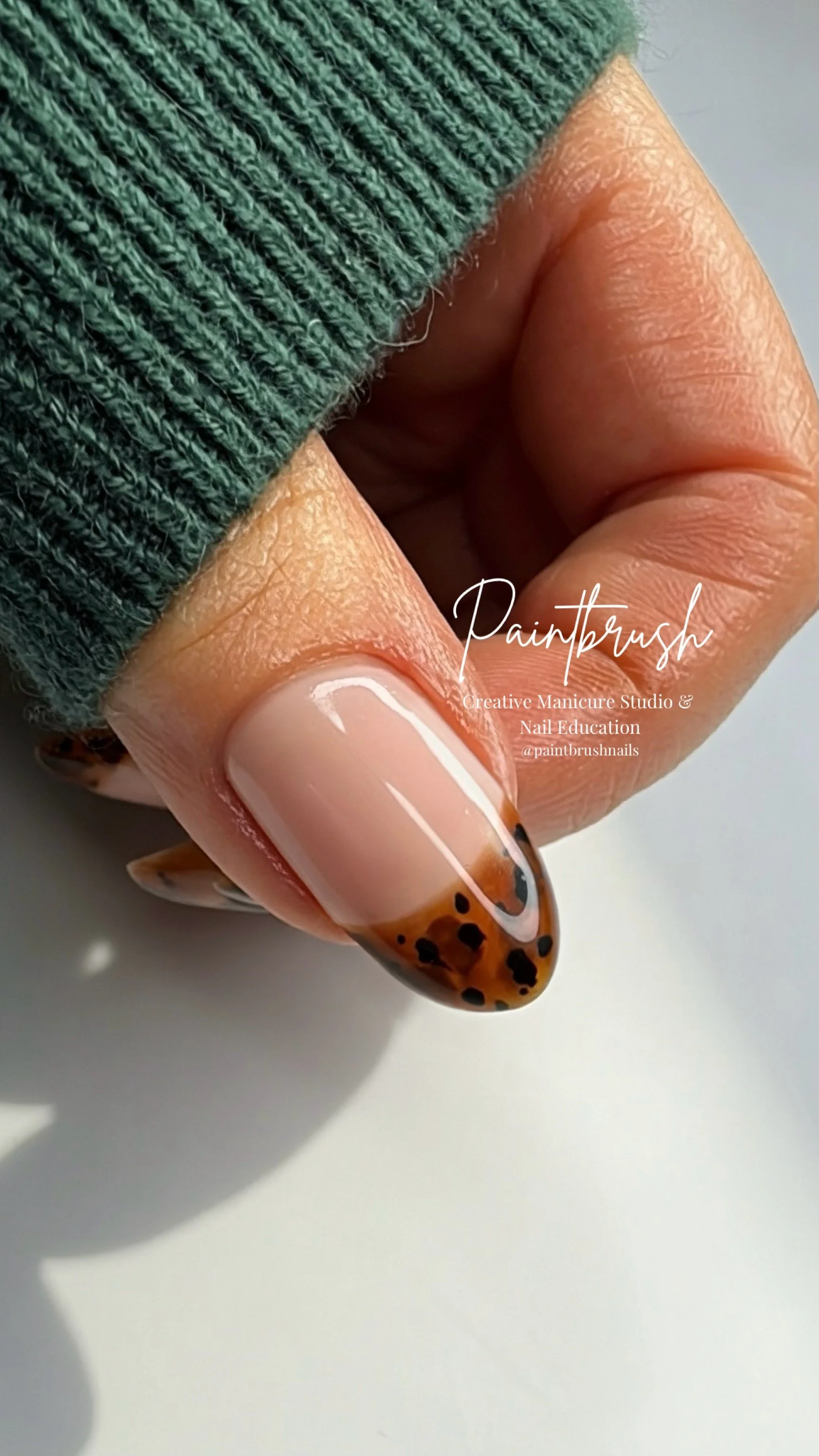
If you love a classic French manicure but don’t necessarily like wearing dark colours across the whole nail, a tortoiseshell French is a really nice alternative for autumn. You still have the sheer or nude base of a traditional French, so the overall manicure can feel quite light and wearable. It’s only the tip that introduces those deeper amber and brown tones.
It gives a classic French manicure a seasonal twist without completely changing the style of nail you’re comfortable wearing. You can wear tortoiseshell French across the full set or combine a few French tips with full-cover or accent nails for a mix-and-match look.
Using tortoiseshell as an accent
Tortoiseshell doesn’t have to take over the entire nail. It works particularly well as an accent alongside block colours, metallic details and other textures. You can even use just a small section of tortoiseshell within an abstract design. That’s what I’ve done in this set, combining tortoiseshell with deep forest green, speckled detailing and gold foil.
For salon nail art, I think this kind of versatility is particularly useful. One technique can become lots of different designs depending on where you place it, what you pair it with and how much of it you use.
Does tortoiseshell nail art have to be brown?
Not at all. The traditional amber, caramel, brown and black combination is the version most associated with tortoiseshell, but there are plenty of ways to play with the colour palette.
A lighter blonde tortoiseshell creates a softer version of the look, while deeper amber and brown shades can make it richer and more dramatic. And you don’t have to stick to traditional tortoiseshell colours at all. Pink, blue, purple and green versions can be really effective too.
They might move further away from the classic autumnal look, but the idea behind the design still works. Changing the colour palette is also a really simple way for a nail artist to take inspiration from a technique without every finished set looking the same.
Want to learn the tortoiseshell nail art technique?
If you’re a nail technician and would like to learn how I create my tortoiseshell effect, it’s one of the techniques I teach step by step in my Autumn Nail Art Workshop.
The workshop isn’t about learning one design that has to be recreated exactly as I’ve made it. It’s about understanding the techniques and then having the confidence to change the colour, placement and composition to suit your own work and your clients. So your tortoiseshell might become a full-cover nail, a French tip, a small abstract accent or something completely different.
Explore the Autumn Nail Art Workshop
About the Author
Kirsty Brown is the founder of Paintbrush Nails, an independent nail artist and educator based in Scotland. A Glasgow School of Art graduate and qualified Art & Design teacher, she combines professional nail education with a creative approach to nail art and design.