
When Should Nail Techs Start Planning for Christmas?
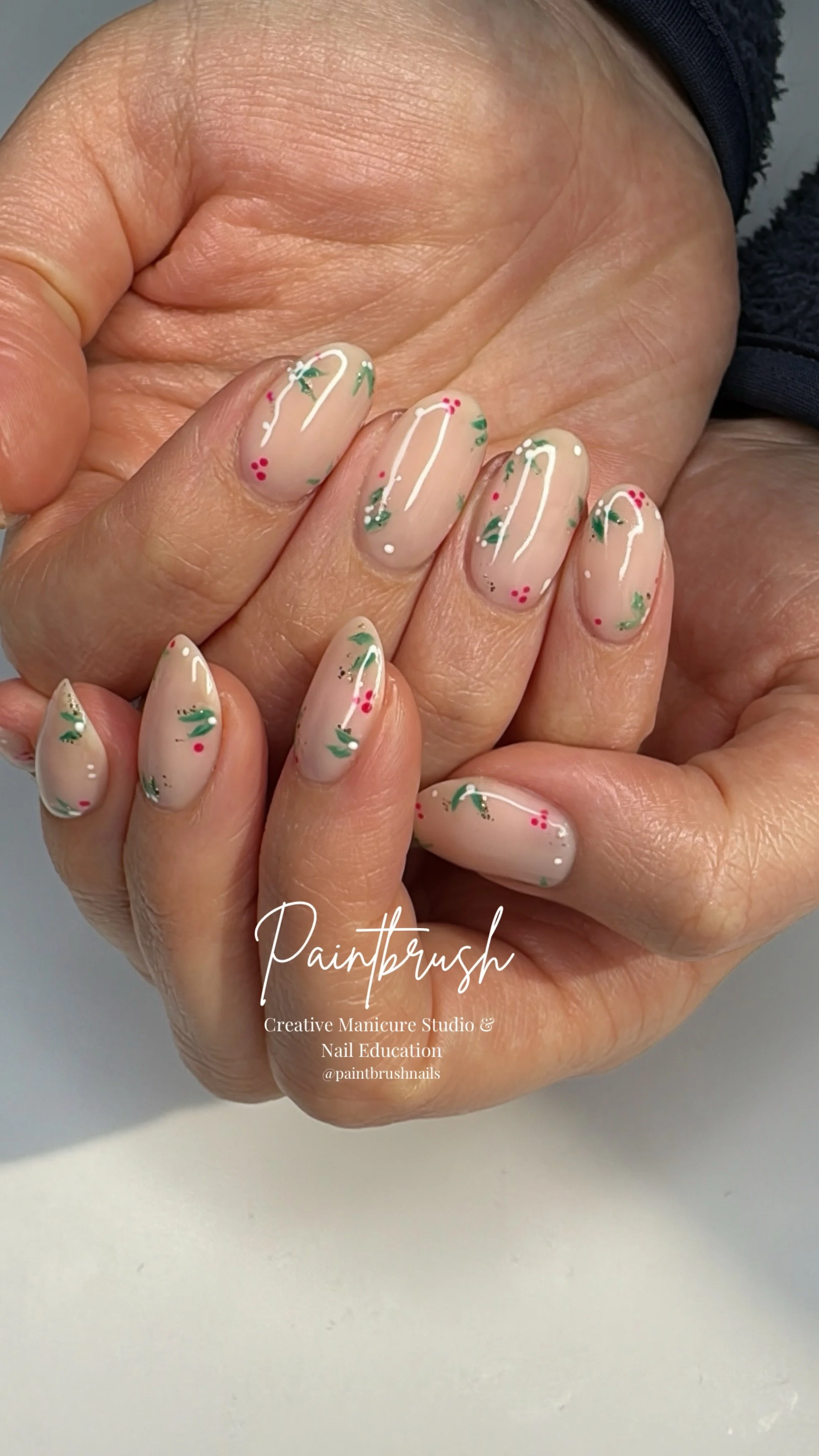
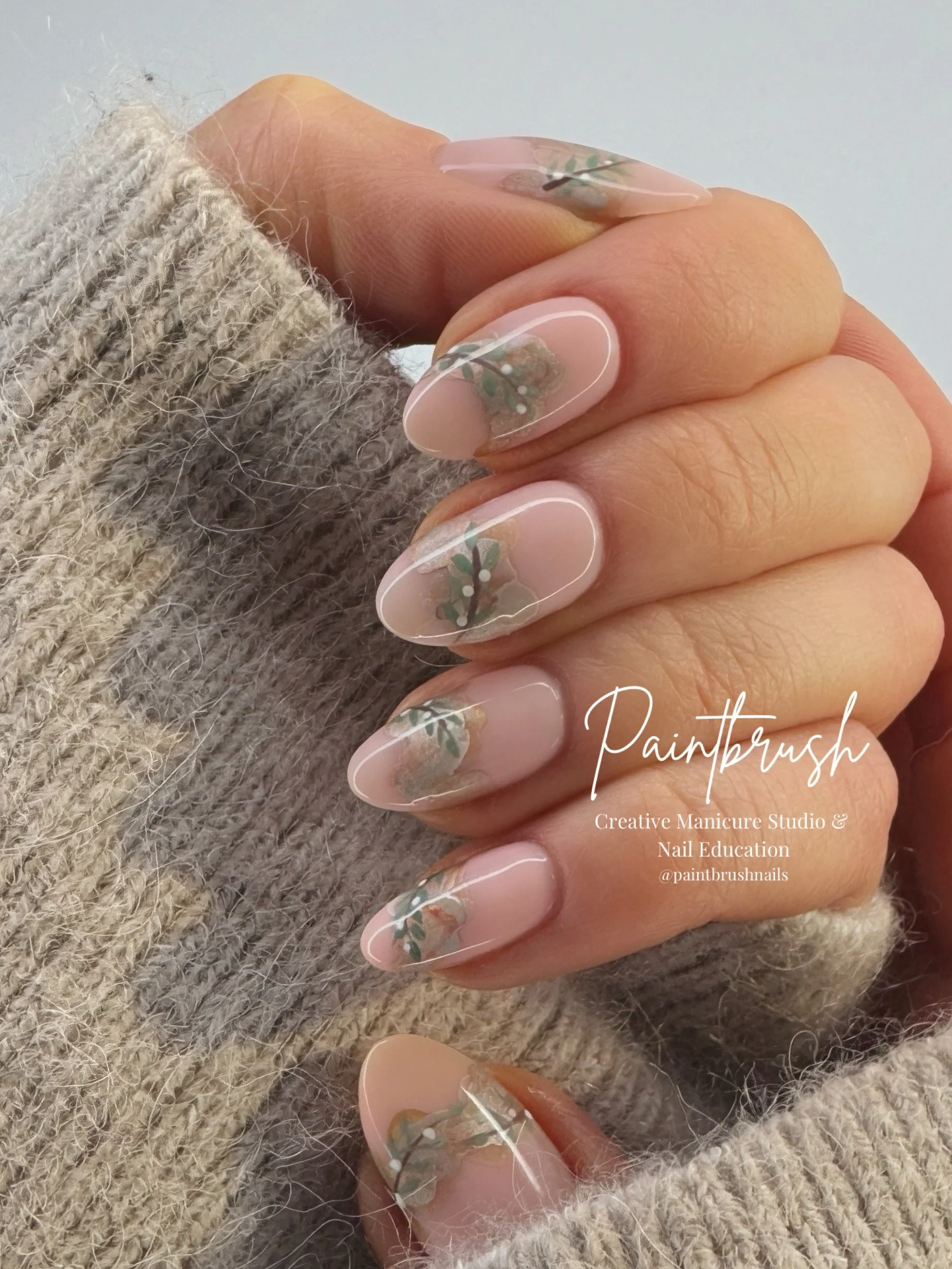
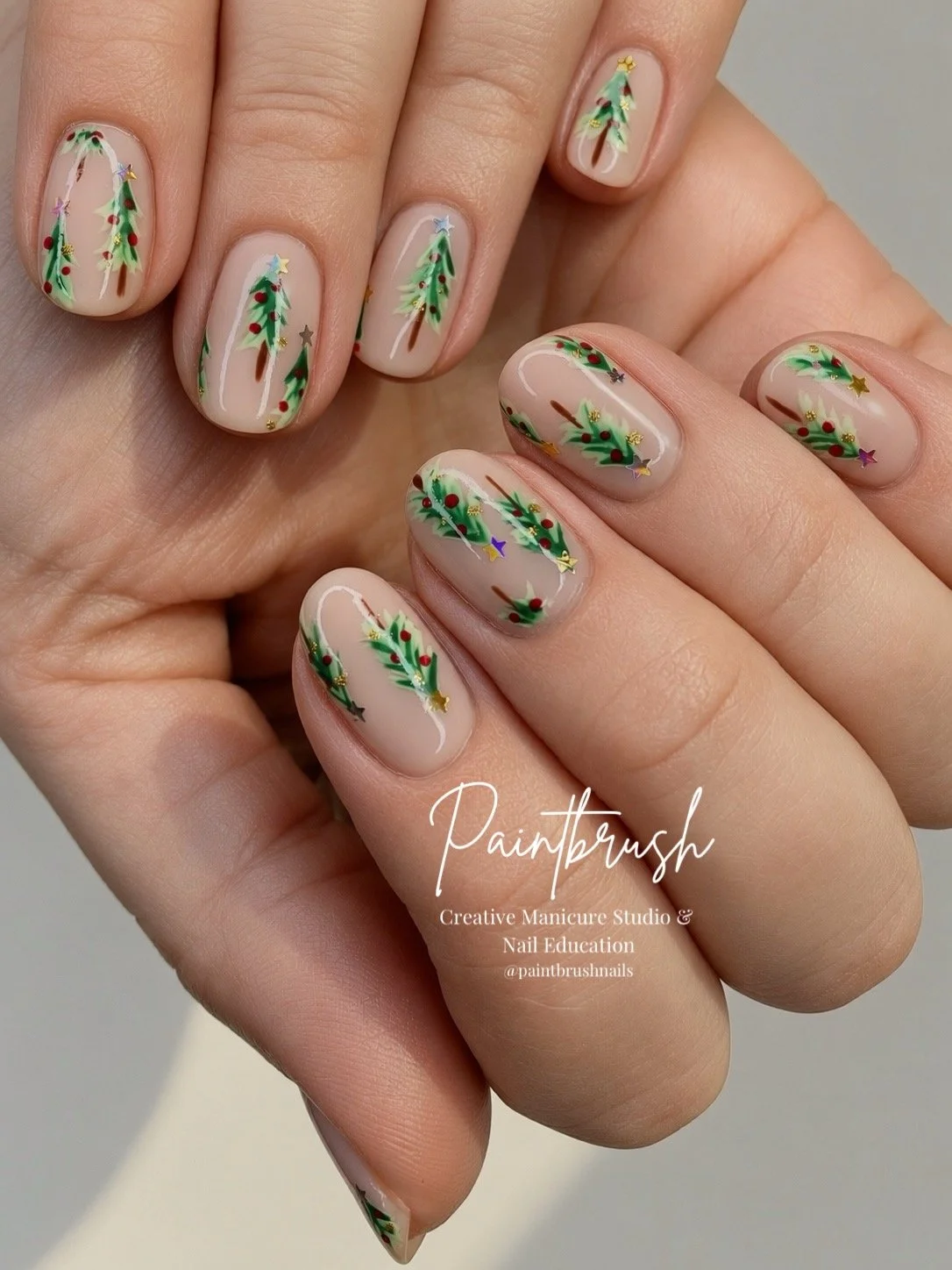
It might only be September, but if you’re a nail technician, there’s a good chance Christmas has already started creeping into the conversation. I’ve already had clients asking me about Christmas appointments, when my diary will open, what dates I’ll be working and when they’ll be able to book. And every year, it seems to start a little earlier.
So when should you start planning Christmas as a nail tech? Probably earlier than you think.
Christmas planning starts before the Christmas rush
When we think about Christmas in the nail industry, it’s easy to picture December: a fully booked diary, red glitter everywhere, endless festive nail art and clients trying to squeeze in before Christmas Day. But a lot of the decisions that determine how December actually feels need to be made well before then.
Your working days. Your time off. When you’ll open your Christmas diary. Which clients get priority. How many appointments you realistically want to take. Whether you’ll extend your hours. What stock you need, and what you absolutely do not need. Leaving all of those decisions until your diary is already filling up makes it much harder to stay in control of them.
September isn’t too early
You certainly don’t need to have your entire Christmas diary booked by September. But you can start thinking about it. One of the first things I like to decide is what my own Christmas is going to look like before deciding what my clients’ Christmas will look like. Are there school events, family plans or days you want to keep free? When do you actually want to finish work? Do you really want to add that extra Saturday in December, or are you doing it because you feel you should? It’s much easier to protect that time before anyone has been offered it.
You can also start looking back at previous years. Which weeks were busiest? Which appointments ran over? Did you buy stock that was never used? Were there particular boundaries you wished you had put in place earlier? Christmas planning doesn’t have to mean immediately opening the booking system. Sometimes it simply means making the decisions first.
Think beyond a full diary
A fully booked December can look fantastic on paper. It doesn’t automatically mean you’ve had a successful Christmas. If every day runs late, you’re skipping breaks, festive nail art is adding twenty minutes to appointments you haven’t allowed for, you’re saying yes to clients you don’t really have space for and you reach Christmas completely exhausted, being fully booked suddenly doesn’t feel quite so impressive.
The aim doesn’t have to be fitting the maximum possible number of clients into December. It can be creating a busy, profitable festive period that you can actually manage. That might mean leaving small gaps in your diary. Giving regular clients priority before opening remaining appointments more widely. Being realistic about how long detailed Christmas designs take. Setting a clear finishing date. Or deciding in advance what you are (and aren’t) willing to change when someone asks for “just a quick appointment”. Those decisions are much easier to make now than when you’re in the middle of the rush.
Don’t forget about January
There’s another reason I think Christmas planning should begin early: December isn’t the end of the story. January can look very different. Clients have spent more over Christmas. Some stretch their December appointment a little longer. Others decide to have a break after the festive season. And after weeks of looking at an overflowing December diary, seeing gaps suddenly appear in January can feel unsettling.
That doesn’t necessarily mean anything has gone wrong with your business. But it helps enormously if you have thought about January before you get there. What will your cash flow look like? Can some of your stronger December income help cover a quieter month? Do you actually need to fill every January gap, or could some of that quieter time be useful for rest, business admin, education, content or planning for the year ahead? Planning for the festive season should include what happens after it too.
Make Christmas work for your business
There isn’t one perfect Christmas booking strategy for every nail technician. Someone working three days a week around other commitments will need something completely different from someone working full-time in a busy salon. A nail tech in their first year of business may have different priorities from someone with a long-standing, fully booked client base.
That’s why I don’t think the answer is a rigid list of rules telling every nail tech exactly when to open their diary or how many clients to take. The useful part is learning to look at your own business, anticipate the pressure points and make those decisions intentionally. And September is a very good time to start doing that.
Want some help planning it?
I’ve created Surviving the Christmas Rush & Quiet January, a practical 35-page digital workbook for self-employed nail technicians. It takes you through the whole festive period, preparing before December arrives, protecting your time and income during the rush, navigating a potentially quieter January and then using what you’ve learned to reset for the year ahead.
There are practical planning pages, activities, prompts and checklists throughout, so it isn’t about copying the way I run my own nail business. It’s about working through the decisions and creating a plan that makes sense for yours. It’s £9 as an instant digital download, with no membership or subscription needed, so perhaps consider it an early Christmas present to your future December self. Because a calmer Christmas doesn’t start in December. It starts with the decisions you make before the rush begins.
About the author
Kirsty Brown is a Scottish nail artist and educator and founder of Paintbrush Nails in Callander, Scotland. A qualified Art & Design teacher with a BA (Hons) from Glasgow School of Art, she combines professional nail expertise with a background in creative education, specialising in nail art, nail education and helping nail professionals develop their technical and creative skills.